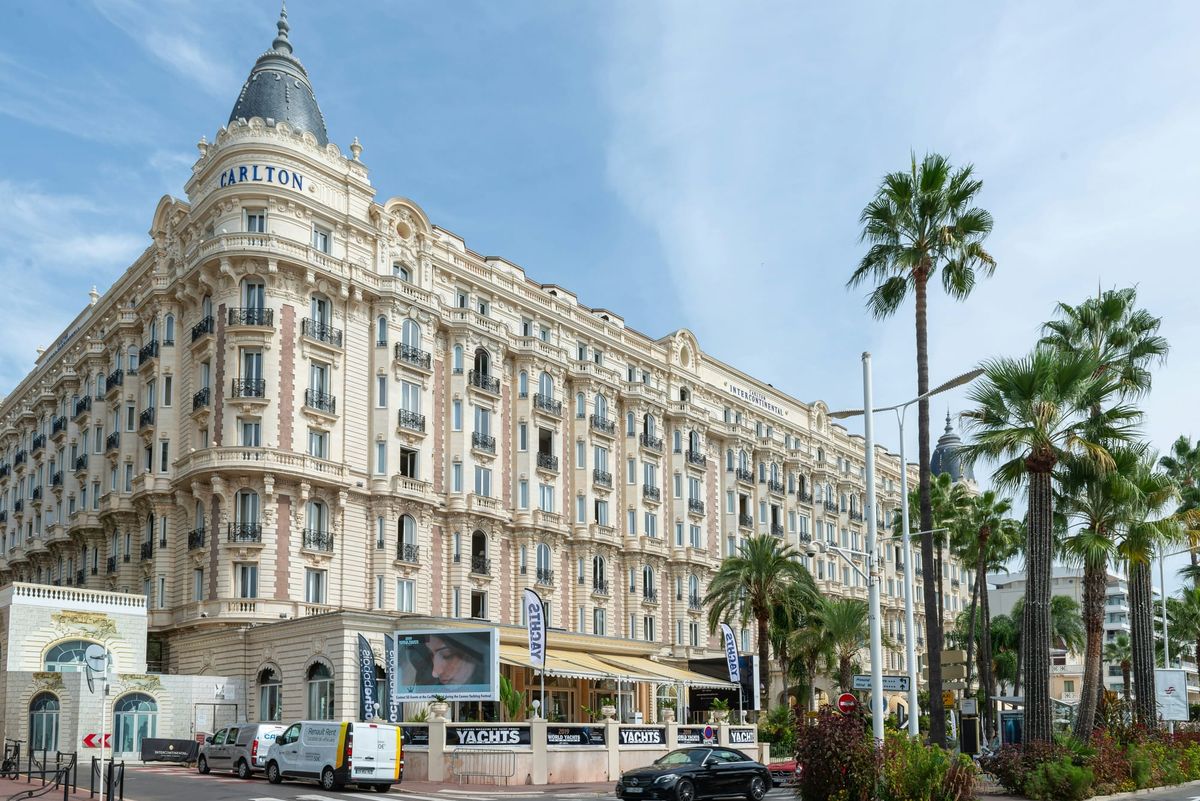
In the United States, you spot a house in Atherton or Malibu, you open escrow, and thirty days later the keys are yours. In France, the process unfolds at a different pace. It asks for patience, but in exchange it offers a level of legal security that the American system simply doesn't provide.
Having lived in California and built my career on the French Riviera, I sit at the intersection of these two worlds. I know exactly what "title insurance," "HOA," and "contingencies" mean to you, and I know exactly how the French side of the table actually works. This guide breaks the process down into five clear steps, from your first offer to the moment you receive the keys, so you can move forward with confidence instead of guesswork.
Step 1: The Property Search & The Power of an "Agent Unique"
The first culture shock is structural. France has nothing quite like the American MLS. There's no single, unified database that every agent feeds into and pulls from. Instead, luxury listings, especially the off-market villas in Cannes or Cap d'Antibes, are scattered across a patchwork of independent agencies, many of which never advertise publicly.
This is why working with one trusted agent who hunts across the entire Côte d'Azur on your behalf matters so much. Rather than chasing five different agencies with five different (and sometimes contradictory) pieces of information, you have a single point of contact who already knows which doors to knock on.
Step 2: Making an Offer & The "Offre d'Achat"
Once you've found the villa in Mougins or Saint-Tropez, the next step is formalizing your interest in writing through an "offre d'achat." This is where contingencies come into play, most importantly the financing contingency if you're not paying in cash. If your offer depends on loan approval, this needs to be spelled out clearly from the start, since French contracts treat these clauses with real legal weight.
Step 3: The Match — French Notaire vs. US Escrow & Title Companies
This is the heart of the matter, and the part where most American buyers need the most guidance.
In the US, an escrow company holds the funds in a neutral account, and a title insurance company researches the property's history to confirm it's free of debts or competing claims. Two separate, privately run businesses, each handling one piece of the puzzle.
In France, both functions are handled by a single figure: the notaire. This is not the equivalent of a US "notary public" who charges a few dollars to stamp a signature. A French notaire is a public officer appointed by the State, trained in law, and personally liable for the legal accuracy of the transaction. Their role isn't to facilitate the deal; it's to guarantee it.
Here's how the two systems compare side by side:
| Feature | US System | French System |
|---|---|---|
| Who handles the funds? | Escrow officer | The notaire, via a secure account at the Caisse des Dépôts |
| Who checks the title and liens? | Title insurance company | The notaire, with a legal guarantee backed by the French State |
| Who represents whom? | Separate title and escrow companies | One notaire can represent both parties, but as an American buyer, you can (and should) appoint your own notaire at no extra cost to you |
A practical note worth budgeting for early: notary fees, often around 7 to 8% on existing properties, aren't simply taxes. They bundle in transfer duties and registration costs, and they should factor into your numbers from day one, not as a surprise at closing.
Step 4: Signing the "Compromis de Vente" (The Preliminary Contract)
The compromis de vente is the preliminary contract, and it's where you, as the buyer, deposit a guarantee payment, typically 5 to 10% of the purchase price, into the notaire's secure escrow-style account.
One detail that consistently surprises American buyers: France grants a 10-day cooling-off period after signing. During those ten days, you can walk away for any reason and recover your full deposit, no penalty, no questions asked. There's no real US equivalent to this built-in safety net.
Step 5: Due Diligence & The Final "Acte de Vente"
Buyers often ask why there's a 2 to 3 month gap between the compromis and the final signing. During this window, the notaire works through several legal checks on your behalf: confirming the local town hall (in Cannes, Mougins, or wherever the property sits) waives its pre-emption right to buy the property first, verifying zoning and urban planning compliance, and finalizing the paperwork trail.
France also requires the seller to provide a set of mandatory technical reports, covering asbestos, lead, electrical systems, and termites, which serve a similar purpose to a US home inspection, though they're standardized and legally required rather than optional.
And one more thing worth knowing: you don't need to book a flight from San Francisco to Nice just to sign. Through a power of attorney, you can complete the final signing remotely, from your living room in California, while your notaire and representative handle the closing in person.
The Bottom Line
Buying in France takes longer than buying in the US, there's no shortcut around that. But the notaire system protects you in a way escrow simply can't: there is virtually no risk of title fraud, and every step of the transaction carries the weight of French law behind it.
Planning to invest in a family home or a secondary residence on the French Riviera? Don't let the language barrier or administrative differences slow you down. Having lived in Atherton and now operating in Cannes, I bridge the gap between American expectations and French real estate reality. Contact me today for a private consultation.